
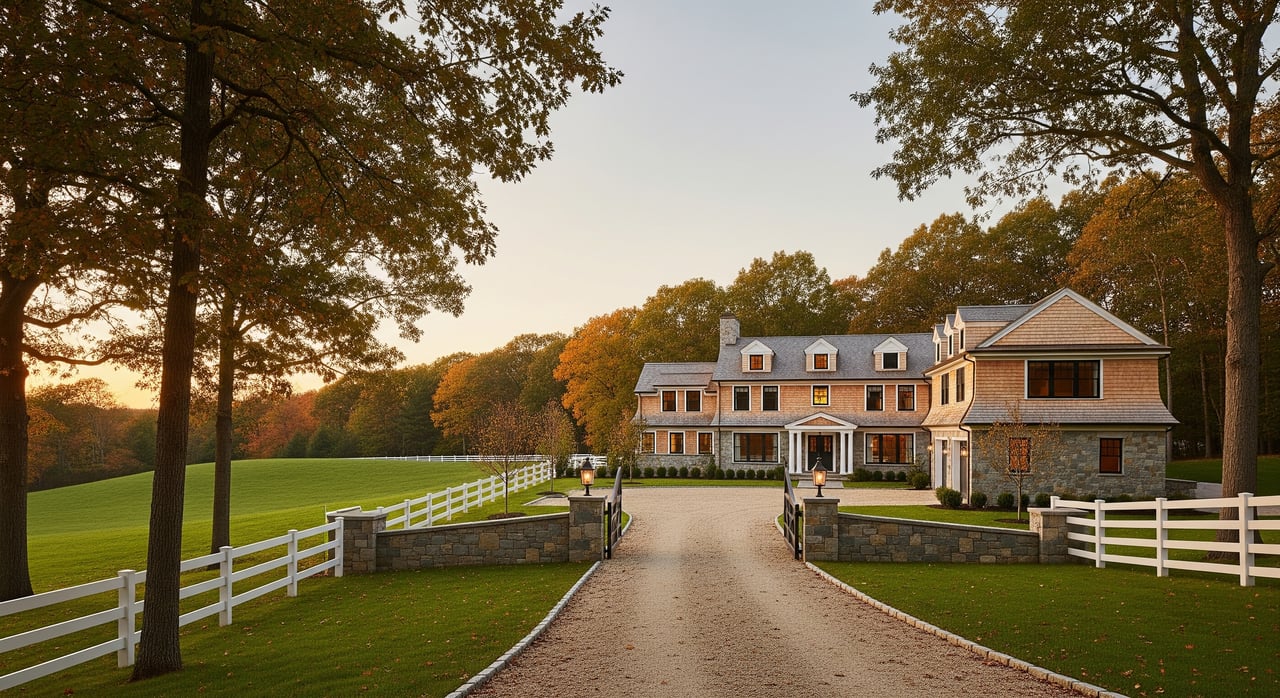
Thinking about buying a Weston home with real acreage? The privacy and wooded setting are a big draw, but large-lot zoning, wetlands rules, and septic requirements can shape what you can build and how long approvals take. This guide explains the essentials so you can search smarter, plan renovations confidently, and avoid costly surprises. Let’s dive in.
Weston zoning basics to verify
Before you fall in love with a property, confirm the rules that apply to that specific parcel. Start with the town’s Zoning Map and Zoning Regulations, which you can find on the Town of Weston website.
- Zoning district. The district controls minimum lot area, frontage, and permitted uses.
- Setbacks and height. Front, side, and rear yard setbacks and height limits affect building placement and design.
- Coverage and impervious limits. Driveways, patios, and pool decks can count toward limits.
- Accessory uses. Check what is allowed for sheds, barns, accessory apartments, and home occupations.
- Subdivision rules. If you hope to split land, review subdivision standards and frontage requirements.
- Wetlands rules. Activities near wetlands or watercourses are regulated locally and under state law; see the Conservation/Inland Wetlands information via the Town of Weston and state guidance from CT DEEP.
- Septic and well standards. Separation distances and soil conditions matter; review CT Department of Public Health septic and well resources and confirm local health approvals.
- Flood status. Check whether any part of the parcel sits in a flood hazard area using the FEMA Flood Map Service.
- Assessor records. Verify lot area, parcel lines, and assessment history with the Weston Assessor.
Why local verification matters
Weston is known for large-lot, rural zoning. Still, numeric standards can change when the town updates its regulations. A parcel that looks expansive may have only a modest buildable envelope once you map setbacks, septic fields, and wetlands buffers.
Confirm requirements with the Town’s Planning and Zoning and Building offices before you make plans. When in doubt, ask staff whether your idea is a permitted use, needs a special permit, or needs a variance.
How acreage and setbacks shape what is possible
Lot size gives you room to breathe, but it does not guarantee an easy project. These elements determine your true buildable area:
- Minimum lot area and frontage. These standards define whether a lot is conforming and whether future subdivision is realistic.
- Setbacks. Required distances from property lines do not scale with lot size. On a big lot, a fixed setback can still limit where a house, garage, or pool can go.
- Lot coverage and impervious caps. Even with many acres, patio, pool deck, and long driveway surfaces can hit limits.
- Height and stories. Height and story caps influence second-floor additions or barn designs.
- Wetlands and buffers. Regulated buffers can extend well beyond the mapped wetland edge, reducing usable land or triggering a permit process. Confirm with local wetlands staff and state guidance at CT DEEP.
- Septic and well placement. Required separation distances between wells, septic systems, streams, and property lines often dictate the house and pool location.
- Easements and restrictions. Conservation easements and utility rights-of-way limit development regardless of acreage. The Weston Land Trust can be a helpful reference for preserved land and conservation context.
A practical example: a two-acre lot that appears wide open may narrow to a smaller building envelope once you layer on a rear setback, a wetlands buffer, and the septic reserve area.
Permits you may need
Depending on your project, plan for some combination of these approvals:
- Zoning permit for new builds or major exterior work.
- Site plan review or a special permit from Planning and Zoning for larger additions, accessory buildings, or nonstandard uses.
- Inland Wetlands permit for work in or near regulated areas.
- Variance from the Zoning Board of Appeals if a plan cannot meet a specific numeric standard.
- Health department sign-off for new or expanded septic systems and wells.
- Building permit after zoning and health approvals.
- Stormwater and soil erosion control approvals, and a driveway or curb-cut permit if needed.
Search smarter on acreage
Look beyond the listing’s acreage and ask for documents early. A thorough file helps you decide quickly and avoid setbacks after you are under contract.
- Request a recent survey and any as-built site plan. Confirm lot lines and recorded acreage.
- Ask for septic location, age, and prior perc test results. If missing, plan for new testing.
- Confirm well details or, if applicable, any public water connection information. Review CT DPH resources for private well and septic basics.
- Check for wetlands or watercourses on or near the site and review local rules with Town staff and CT DEEP.
- Review title for easements or conservation restrictions. The Weston Land Trust offers context on preserved open space and easements in town.
- Verify flood status with the FEMA Flood Map Service.
- Confirm zoning district, frontage, and permitted uses with the Town of Weston.
Planning renovations or new work
Large-lot projects often involve more site planning than you expect. Septic reserve areas, well protection distances, and fixed setbacks can drive the location and size of additions, garages, pools, and sports courts.
Tree clearing, grading, and long driveway work can add cost and time. If access requires a new curb cut or work near a brook, expect erosion controls and possible wetlands review.
Timeline at a glance
Every site is different, but this general sequence is common:
- Initial conversation with Town zoning or building staff: same day to one or two weeks.
- Perc tests and soil investigation: about two to eight weeks to schedule and complete, then design work follows.
- Routine zoning permits for fully conforming projects: often a few weeks once the application is complete.
- Site plan review or special permit hearings: allow six to twelve or more weeks depending on meeting cycles and complexity.
- Inland Wetlands permit: simple cases may resolve in one to two months; complex applications can take several months.
- Zoning Board of Appeals variance: plan for at least two to three months including filing and hearing.
- Building permit and construction: varies by scope; from purchase to a major addition, plan for six to eighteen months overall.
Start early, build in buffer time, and coordinate your design and permitting steps so they run in parallel where possible.
Carrying costs to expect
Acreage can mean higher ongoing expenses. Budget for the following so you are not surprised after closing:
- Property taxes based on assessed value. Confirm current assessment and mill rate with the Weston Assessor.
- Insurance that reflects outbuildings, tree exposure, and private systems.
- Site maintenance such as mowing, tree work, invasive control, and stone wall or fence repairs.
- Driveway snow removal, resurfacing, and drainage upkeep. Longer drives can increase annual costs.
- Utilities and systems: well testing and maintenance, septic pumping, propane or oil deliveries, and longer electrical runs.
- Seasonal management like boundary marking, woodland care, or pond upkeep if applicable.
Costs vary widely with site conditions and contractors. Get local quotes before you set a firm budget.
Due diligence checklist
Use this list to organize what to gather before you close or even before you write an offer:
- Zoning district confirmation and the current Zoning Map and Zoning Regulations from the Town of Weston.
- Current, certified boundary survey.
- Title search including recorded easements, covenants, and any conservation easements.
- Septic records and as-built drawings; plan for perc testing if unknown.
- Well records or public water information, reviewed against CT DPH standards.
- Wetlands delineation or map and any prior permits; consult CT DEEP for state guidance.
- FEMA flood map status and related insurance implications via the FEMA Flood Map Service.
- Topography and soils info to identify steep slopes or ledge.
- Driveway access details and frontage confirmation.
- Property tax history and assessment details with the Assessor.
- Utility availability and any extension needs.
Who to contact
- Weston Planning and Zoning and the Building Department through the Town of Weston website.
- Weston Conservation/Inland Wetlands Commission for buffers and permits via the Town of Weston.
- Local health authority for septic and well approvals, along with CT DPH.
- Licensed land surveyor, civil engineer, septic designer, and wetland scientist for site studies and plans.
- Title company and, for complex issues, a land-use attorney.
Ready to explore Weston acreage with a clear plan? Connect with Fowler & Sakey for local guidance, property-specific due diligence, and a smooth path from search to closing.
FAQs
Are large Weston lots easy to build or subdivide?
- Not automatically. Wetlands, slopes, septic constraints, frontage, and conservation easements can limit where you can build and whether subdivision is possible.
How do setbacks work on a big lot in Weston?
- Setbacks are fixed distances from property lines set by local rules. They do not increase with lot size, so they can still narrow the buildable area.
Do I need a perc test before I buy acreage?
- It is often recommended, especially if you plan renovations or a pool. A current test informs septic design and can affect financing and timing.
How long do permits usually take in Weston?
- Routine permits can be a few weeks. Projects that need hearings, wetlands review, variances, or septic approvals often add months. Start early and follow Town meeting schedules.
Will acreage change my taxes or insurance?
- Taxes reflect assessed value and can be higher on large parcels. Insurance may cost more for properties with outbuildings, trees, or private systems. Get quotes in advance.
Who oversees wetlands and watercourse rules?
- The local Conservation/Inland Wetlands Commission administers town rules and state requirements, with guidance from CT DEEP.
Can conservation easements be removed after purchase?
- No. Conservation easements are recorded restrictions that transfer with the property and are typically permanent. Review recorded documents during diligence.