
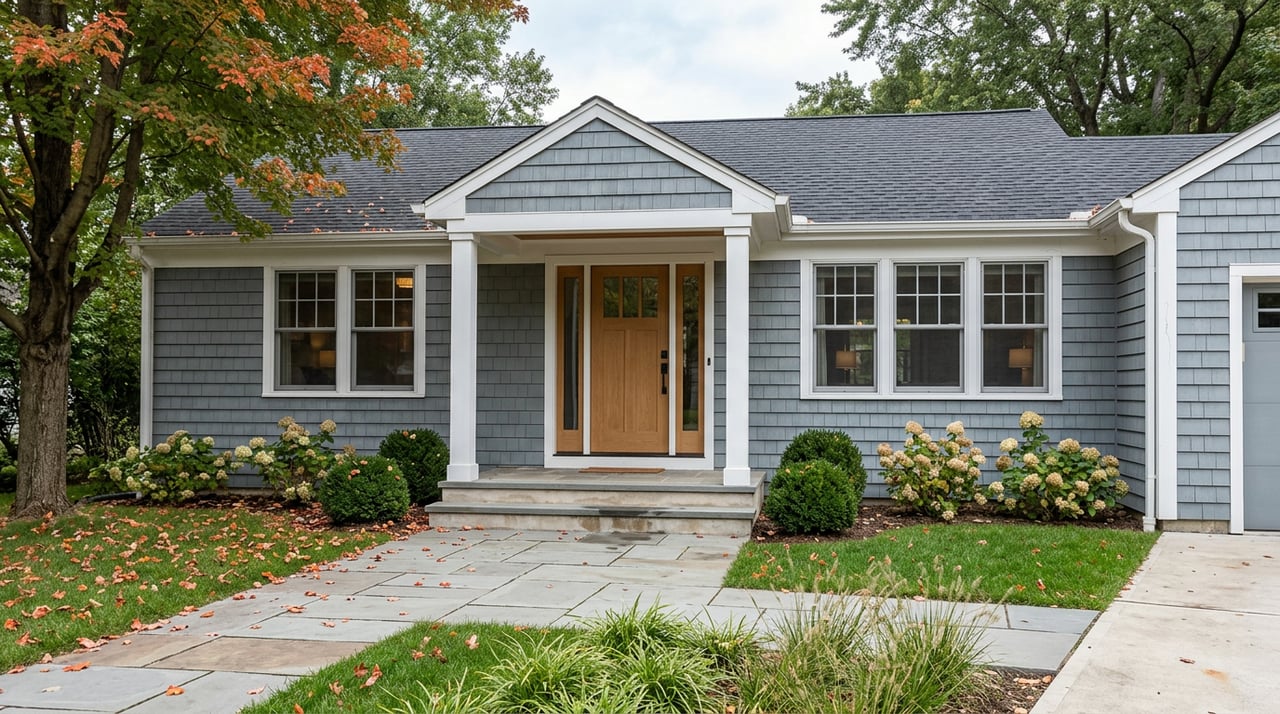
Thinking about trading city buzz for a quieter Fairfield County lifestyle? If you are torn between Wilton and Weston, you are not alone. Both towns promise space, nature, and strong schools, but the daily rhythm feels different once you factor in rail access, lot sizes, and town centers. In this guide, you will get a side-by-side look at commute options, schools, housing, and daily life so you can decide which town fits you best. Let’s dive in.
Snapshot: Wilton vs. Weston
Wilton is the larger town, with more varied neighborhoods and an in-town commuter rail presence. Weston is smaller and intentionally low density, known for larger parcels and a more rural feel.
- Population (2024 est.): Wilton ~19,255; Weston ~10,490. Both are high-value markets. (Source: Wilton QuickFacts, Weston QuickFacts)
- Mean travel time to work: Wilton ~35.9 minutes; Weston ~46.6 minutes. (ACS 2020–2024)
- Median household income: Wilton ~$242,199; Weston reported at census cap ($250,000+). (ACS 2020–2024)
- Median value, owner-occupied housing: Wilton ~$928,800; Weston ~$996,700. (ACS 2020–2024)
- Owner-occupied units: Wilton ~88.6%; Weston ~96.9%. (ACS 2020–2024)
What this suggests: Wilton offers more neighborhood variety, including a village center and multiple residential districts. Weston leans rural with consistent two-acre patterns, very high owner occupancy, and a quieter commercial profile.
Commute and Everyday Access
Rail access
- Wilton has two Metro-North Danbury Branch stations in town (Wilton and Cannondale). That in-town access can simplify weekday travel to the New Haven Line and, ultimately, to Grand Central. Learn more about Wilton station on the Danbury Branch.
- Weston has no train station within town limits. Residents typically drive to nearby stations in Wilton, Westport, or Norwalk. See the overview of Weston, Connecticut.
Driving and town centers
- Both towns connect to the Merritt Parkway (Route 15) and Route 7. Wilton’s US-7 corridor (Danbury Road) and Wilton Center provide a walkable cluster of cafes, groceries, and services. Explore town resources at wiltonct.gov.
- Weston’s roads are quieter and largely residential by design. Day-to-day errands often route through neighboring Westport, Wilton, and Norwalk for broader shopping and dining.
Door-to-door reality
Typical door-to-door times to Grand Central often land around 75–95 minutes for many Wilton commuters, depending on transfers, schedules, parking, and last-mile timing. Weston residents commonly see similar or slightly longer ranges because of the drive to a station. Your actual time will vary by address, train timetable, parking permits, and season. Always confirm current schedules and parking rules before you set expectations.
Schools and Student Experience
Both districts are known for strong performance on Connecticut’s public report card. Use the state report card and district pages for the latest AP, graduation, and program details.
Wilton Public Schools
- Wilton Public Schools serve roughly 3,700 students and report strong outcomes across AP and SAT indicators on the district and state pages. The district highlights advanced coursework and college-readiness measures. Review programs and updates at the Wilton Public Schools site and the Connecticut report card.
- If you want specifics like AP participation and performance, check the latest district publications and the state’s Connecticut Report Card portal for the most current data.
Weston Public Schools
- Weston operates a compact, collocated K–12 campus, which many families appreciate for continuity and community. The district is consistently described as high-performing in local sources. Visit Weston High School’s site for program highlights and recent honors.
- For comparisons, consult the Connecticut report card to review current accountability metrics, graduation rates, and advanced coursework indicators for both towns.
Homes, Zoning, and Lot Sizes
How land is zoned shapes what you will find on the market.
Weston: two-acre consistency
- Weston’s regulations center on a Two-Acre Residential & Farming District (R-2A), which preserves a townwide pattern of larger lots and low-density living. See the official zoning regulations for details on minimums and residential patterns in the Weston zoning regulations.
- This consistency can be a plus if you prioritize privacy, wooded settings, and space between homes.
Wilton: more variety by district
- Wilton includes R-2A and R-1A single-family districts alongside village and corridor overlays near Wilton Center and Danbury Road. This creates a broader mix, from 1–2 acre neighborhoods to smaller-lot and village-edge homes. Review the Wilton zoning summary.
- If you want a balance of space and a walkable center, Wilton often delivers that mix, especially near the village and US-7 corridor.
Ownership patterns and what they signal
- With owner-occupancy at roughly 88.6% in Wilton and 96.9% in Weston, both towns are dominated by single-family ownership rather than rentals, especially Weston. This often signals a stable, long-term resident base. (Sources: Wilton QuickFacts, Weston QuickFacts)
Due-diligence tips
- Larger lots may mean private well and septic, longer driveways, and more site work for additions, pools, or landscape changes. In Weston, expect careful review around tree work, wetlands, and erosion controls. Confirm water/sewer availability and any wetlands or conservation restrictions with town departments and Planning & Zoning before you commit. Weston’s permitting and conservation context is outlined through its P&Z resources; Wilton’s town site offers zoning maps and regulations for parcel-level checks.
Daily Lifestyle, Open Space, and Services
Outdoor access
- Wilton balances a small, walkable center with abundant open space and nearby trail networks. The town positions itself with a mix of village conveniences and quiet neighborhoods; see resources at wiltonct.gov.
- Weston leans into privacy and nature, with many preserves and active conservation efforts in partnership with land trusts. Trails and low traffic are part of everyday life for many residents.
Shopping and medical
- You will find day-to-day services in Wilton Center and along US-7. For larger retail, dining, and medical centers, most residents in both towns look to nearby Westport, Norwalk, and Stamford.
Which Town Fits You?
Choose Wilton if you want:
- In-town rail access on the Danbury Branch and a practical path to the New Haven Line.
- A range of lot sizes and neighborhoods, including 1–2 acre single-family areas and village-edge options.
- A small, walkable center with groceries, cafes, and local services close to home.
Choose Weston if you want:
- Consistent two-acre residential patterns, privacy, and a rural road network.
- A single, collocated K–12 campus environment.
- A quieter commercial profile, with shopping and dining concentrated in nearby towns.
Both towns are strong Fairfield County choices with high owner-occupancy, open space, and respected public schools. The deciding factors often come down to how you commute, how much land you want, and whether you prefer a village hub or a more uniformly rural setting.
Ready to compare neighborhoods, see drive times from a specific address, and understand today’s inventory? Reach out to the local team that knows the back roads, train lots, and zoning fine print. Start your move with Fowler & Sakey.
FAQs
How long is the NYC commute from Wilton and Weston?
- Many Wilton commuters see roughly 75–95 minutes door to door, depending on transfers and parking. Weston residents often plan for similar or slightly longer times because they drive to a station first. Your time will vary by address and timetable.
Does Weston really have two-acre minimums?
- Weston’s core residential zoning focuses on a Two-Acre Residential & Farming District (R-2A), which preserves larger parcels across town. Check the current Weston zoning regulations for details.
What lot-size variety can I expect in Wilton?
- Wilton offers a mix: R-2A and R-1A single-family areas plus village and corridor overlays near Wilton Center and US-7. See the Wilton zoning summary for district specifics.
How do Wilton and Weston schools compare overall?
- Both districts report strong performance on Connecticut’s public report card. For current accountability and program data, review each district’s site and the state’s report card portal, starting with Wilton Public Schools and Weston Public Schools.
Are rentals common in either town?
- Both towns are dominated by owner-occupied single-family homes. Wilton’s varied districts can yield more options near the village and US-7. Weston’s very high owner occupancy suggests fewer rental choices overall. Refer to Wilton QuickFacts and Weston QuickFacts for context.