
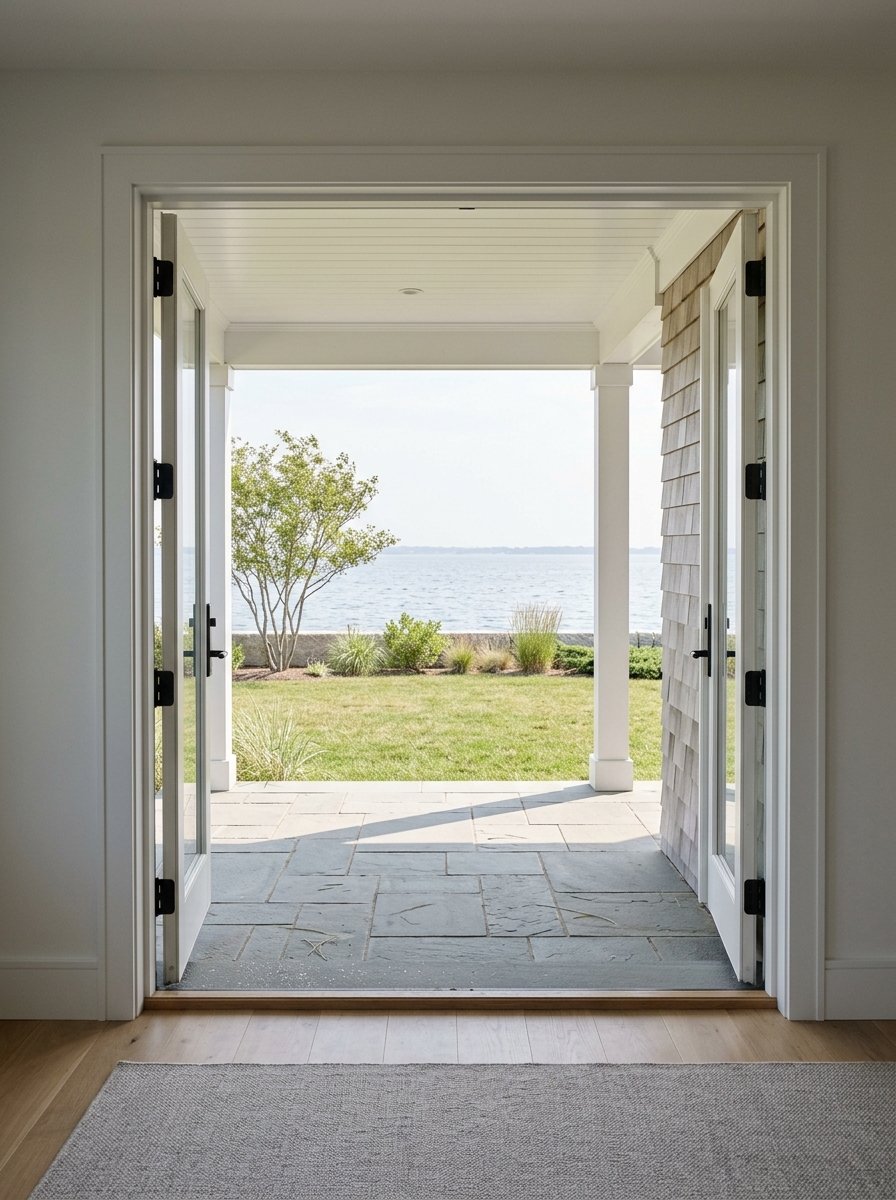
Dreaming about living near the water without giving up commuter convenience or everyday amenities? In Norwalk, waterfront living is not just one look or one lifestyle. Depending on where you land, your day-to-day routine can feel more urban, more beach-centered, or more like a small coastal village. If you are exploring a move to Norwalk’s shoreline areas, this guide will help you understand what daily life is really like, what tradeoffs to expect, and which waterfront setting may fit you best. Let’s dive in.
Norwalk waterfront living at a glance
One of the most important things to know is that Norwalk’s waterfront is not a single stretch with one consistent feel. According to the city’s waterfront planning framework, the shoreline is a mixed-use edge that balances the working harbor with public access, marinas, parks, housing, and commercial activity.
That means your experience can vary quite a bit by neighborhood. In broad terms, South Norwalk feels more walkable and urban, East Norwalk leans more residential and beach-oriented, and Rowayton offers a more village-style coastal setting.
South Norwalk offers an active waterfront
If you want the most energy, South Norwalk is usually the first place people picture. Visit Norwalk describes SoNo as a historic boat harbor that has grown into a dining, retail, and entertainment destination with a growing business and residential community.
Daily life here tends to feel the most connected and convenient. Washington Street is known for historic brick buildings, and the waterfront core is easy to access on foot. If you like the idea of being able to head out for dinner, walk by the harbor, or enjoy local attractions without needing to drive everywhere, SoNo stands out.
For commuters, this part of Norwalk has a practical advantage. The MTA South Norwalk station guide notes that the ride to Grand Central is roughly 60 to 80 minutes depending on the time of day, and the area around the station is walkable once you arrive.
What daily life feels like in SoNo
Living in South Norwalk often means a faster pace than other waterfront sections of town. You may trade a little privacy and quiet for walkability, access to restaurants and entertainment, and a stronger live-work-play feel.
Housing here is also more varied than many buyers expect. The city’s waterfront framework supports a mix of multifamily homes, mixed-use development, live/work spaces, marinas, and water-dependent uses, which helps explain why SoNo includes adaptive-reuse buildings, newer residences, and historic structures rather than one standard housing style.
East Norwalk feels more residential
If your ideal waterfront routine includes calmer streets, neighborhood living, and easier access to beaches, East Norwalk may be the better fit. Visit Norwalk describes East Norwalk as a shoreline community known for charming residential neighborhoods and beautiful beaches.
This is where the waterfront lifestyle can feel more woven into everyday life. Instead of an entertainment district feel, the tone is often more about morning walks, beach access, neighborhood streets, and a quieter coastal rhythm.
East Norwalk can appeal to buyers who want shoreline character without the most urban setting. It may also suit people who want to stay connected to the rest of Norwalk while enjoying a more residential backdrop.
Why beach access shapes the lifestyle
A big part of East Norwalk living is how close you are to outdoor recreation. The city says Veterans Memorial Park and Marina includes a marina, boat launch, visitor docks, walking and jogging paths, ball fields, and an esplanade overlooking the harbor.
Nearby, Calf Pasture and Shady Beach add another layer to the lifestyle with a skate park, splash pad, sailing school, and about three-quarters of a mile of scenic coastline. For many residents, that means beach days, walks by the water, and boating access are not special occasions. They are part of the weekly routine.
Rowayton has a village-style coastal feel
If you are drawn to a more tucked-away shoreline setting, Rowayton has its own distinct identity. Visit Norwalk describes it as a coastal village and a haven for boaters and beach-goers, with quaint shops, neighborhood restaurants, family parks, and community events.
This is often the part of Norwalk’s waterfront that feels the most like a small town within the city. The local rhythm centers around everyday village life, access to the water, and seasonal traditions that give the area a strong sense of place.
Rowayton also offers community touchpoints that many buyers find appealing. Pinkney Park hosts Shakespeare on the Sound, and the Rowayton Farmers' Market runs there from May through November, giving the neighborhood a very local, seasonal pulse.
Who Rowayton tends to appeal to
Rowayton often stands out for buyers who want a coastal setting that feels quieter and more village-like. If your version of waterfront living includes neighborhood restaurants, parks, boating culture, and community events, it can be a strong match.
That said, lifestyle fit matters more than labels. Some buyers fall in love with Rowayton’s atmosphere right away, while others prefer the convenience of SoNo or the residential beach feel of East Norwalk.
Boating is part of real waterfront life
In Norwalk, the harbor is not just scenery. The city says Norwalk Harbor is one of the most important centers of recreational boating and shellfishing on western Long Island Sound, with 15 marinas, 13 private clubs with boating facilities, more than 1,800 berthing spaces, and more than 500 mooring locations.
That matters because it shapes the atmosphere of the waterfront in a real, day-to-day way. You are not just near the water. In many parts of Norwalk, you are near marinas, launches, docks, and an active boating culture that influences how the shoreline looks and functions.
Public access also plays a big role. Oyster Shell Park overlooks both sides of the Norwalk River and connects well with the waterfront core, while the Norwalk River Valley Trail is planned as a recreation and transportation corridor linking Calf Pasture Beach in Norwalk to Danbury.
Commuting still works from the waterfront
For many buyers, the biggest surprise is that waterfront living in Norwalk can still support a manageable commute. South Norwalk is the strongest example, with rail access, Norwalk Transit connections, and nearby access to I-95, US Route 7, and the Pulse Point bus hub, according to the MTA station overview.
East Norwalk and Rowayton are also on the New Haven Line, though platform access is more limited. If train access is high on your list, it is worth comparing how each neighborhood fits your routine, not just how each one looks on a map.
This mix of shoreline setting and regional connectivity is a big reason Norwalk attracts such a wide range of buyers. You can enjoy coastal amenities while staying connected to jobs, clients, and daily obligations beyond town.
Housing options are more varied than expected
A lot of buyers hear “waterfront” and imagine only large shoreline homes. In Norwalk, the housing mix is broader than that. Based on the city’s waterfront design framework, waterfront areas can include multifamily dwellings, mixed-use spaces, parks, marinas, restaurants, and water-dependent uses.
In practical terms, that creates more choice. Depending on the neighborhood, you may find condos, multifamily residences, adaptive-reuse buildings, older neighborhood homes, and higher-end coastal properties.
That range is part of what makes Norwalk stand out in Fairfield County. Redfin’s February 2026 market data shows a median sale price of $697,000 in Norwalk, compared with about $2.04 million in Westport and $2.15 million in Darien, while also noting that Norwalk remains a very competitive market.
The tradeoffs are real too
Waterfront living has obvious appeal, but it also comes with practical questions. Seasonal parking rules are part of the rhythm in Norwalk’s park and beach areas. The city notes that parking fees at beach and park facilities apply seasonally, with Calf Pasture and Shady Beach fees running from May 15 to October 15, while Norwalk residents with a registered vehicle on the Grand List receive free parking at city facilities.
Flood risk is another key part of the conversation. Redfin’s hazard data flags Norwalk as a major flood-risk market, with 29% of properties projected to face severe flooding over the next 30 years.
For buyers, that makes due diligence especially important. Elevation, flood insurance, storm readiness, parking, and storage are all worth reviewing carefully before you buy. Waterfront homes can be wonderful places to live, but they reward informed decision-making.
Which waterfront area fits your lifestyle?
If you are trying to narrow down your search, it helps to think in terms of daily routine rather than just price or photos.
- Choose South Norwalk if you want walkability, restaurant access, train convenience, and a more active urban waterfront setting.
- Choose East Norwalk if you want a more residential shoreline feel with easy access to parks, marinas, and beach-centered recreation.
- Choose Rowayton if you want a village-style coastal atmosphere with boating culture, local events, and a quieter setting.
The right fit depends on how you want your mornings, evenings, and weekends to feel. That is often the difference between liking a neighborhood on paper and truly feeling at home there.
A local perspective matters
When you are comparing Norwalk’s waterfront neighborhoods, broad descriptions only go so far. Block-by-block feel, public access, commuting patterns, housing type, and flood-zone considerations can all shape your experience.
That is where working with a local team can make the process smoother. At Fowler & Sakey, you can get neighborhood-level guidance, clear advice on market positioning, and support whether you are buying your first condo, moving up, relocating, or searching for a waterfront home. If you are thinking about a move in Norwalk, start your search with a team that knows how these neighborhoods live day to day.
FAQs
What is the difference between South Norwalk, East Norwalk, and Rowayton?
- South Norwalk feels more urban and walkable, East Norwalk feels more residential and beach-oriented, and Rowayton feels more like a coastal village with shops, parks, and community events.
Is commuting from Norwalk’s waterfront neighborhoods realistic for New York City?
- Yes. South Norwalk offers the strongest commuter setup, with New Haven Line access and an estimated 60 to 80 minute ride to Grand Central, while East Norwalk and Rowayton also have rail service with more limited access.
Are Norwalk waterfront neighborhoods only for luxury buyers?
- No. Norwalk’s waterfront includes a mix of housing types, including multifamily options, mixed-use residences, adaptive-reuse buildings, and higher-end coastal homes.
What outdoor activities are available near Norwalk’s waterfront?
- Popular options include boating, beach days, walking and jogging paths, visitor docks, sailing, waterfront parks, and access to areas like Veterans Memorial Park and Marina, Calf Pasture, Shady Beach, and Oyster Shell Park.
What should buyers know before buying near the water in Norwalk?
- You should pay close attention to flood risk, elevation, insurance needs, storm readiness, parking, and seasonal access rules, since waterfront living often requires more due diligence than inland properties.