
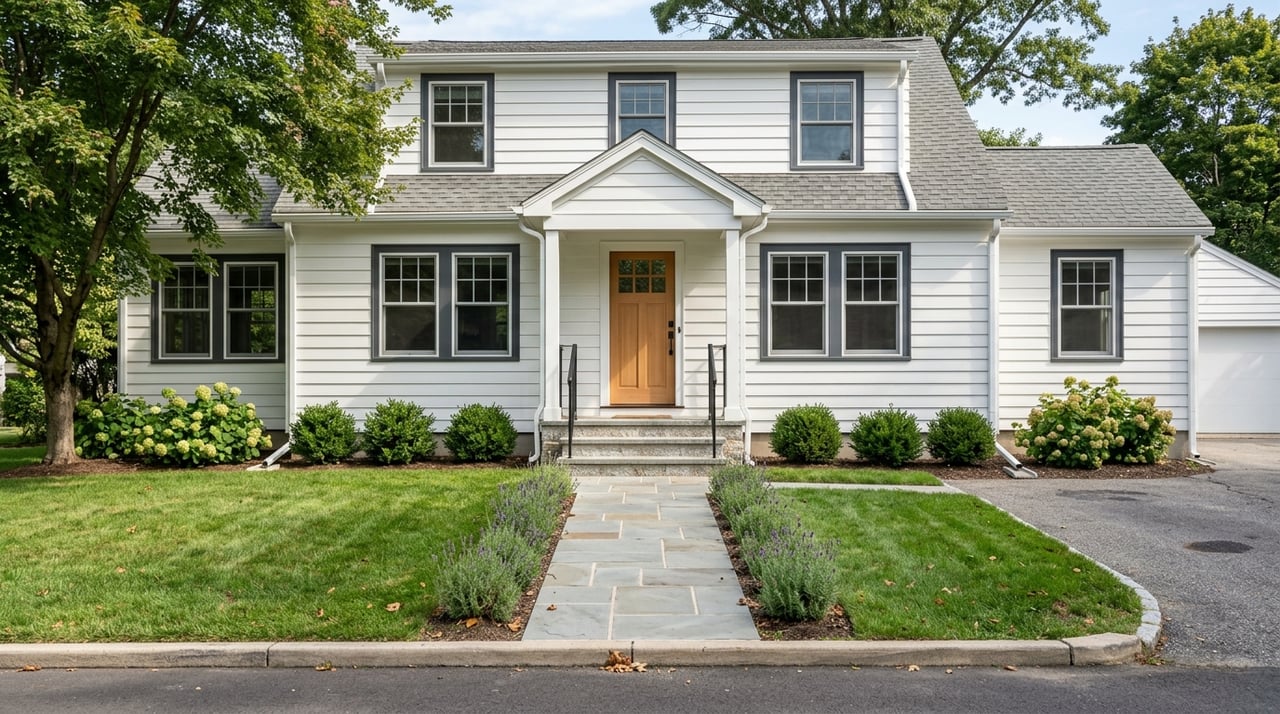
Wondering how much prep your Monroe Manor home really needs before you list it? In today’s Fairfax County market, you likely do not need a full renovation to get strong interest, but you do need a smart plan. When homes are still selling in a competitive environment, buyers notice condition, presentation, and pricing right away. This guide will show you how to focus on the updates that help reduce buyer hesitation and support a top-dollar sale. Let’s dive in.
Why preparation matters in Monroe Manor
Monroe Manor is part of Herndon in Fairfax County, which places your home in a market that is still competitive but no longer forgiving of avoidable flaws. Fairfax County reported an average sale price of $859,078 and about 28 average days on market for homes sold in February 2026. In the broader Northern Virginia region, April 2026 data showed 18 average days on market and 1.83 months of supply, which still reflects seller-friendly conditions.
That is good news for sellers, but it comes with an important shift. Buyers have choices, and that means presentation and move-in readiness matter more than they did during the most intense seller-market periods. If your home feels clean, cared for, and easy to maintain, you give buyers fewer reasons to pause or negotiate.
Focus on buyer confidence first
If you want a top-dollar result, your goal is not to make your house feel brand new. Your goal is to make it feel well maintained, bright, and easy for buyers to picture themselves in. That starts with removing distractions and fixing the small issues that can make buyers wonder what else has been overlooked.
According to the 2025 Profile of Home Staging, 83% of buyers’ agents said staging made it easier for buyers to envision a property as their future home. The same report found that 49% of sellers’ agents observed staging reduced time on market, and 29% said staging led to a 1% to 10% increase in the dollar value offered.
Those numbers support a practical takeaway for Monroe Manor sellers. You do not always need to stage every room or overhaul the whole house. Often, the best return comes from decluttering, deep cleaning, targeted repairs, and selective staging in the spaces buyers care about most.
Start with decluttering and depersonalizing
Decluttering is usually the highest-impact first step because it changes how your home feels right away. When rooms have less furniture, fewer personal items, and cleaner surfaces, they look larger and more functional. Buyers can focus on the home itself instead of your belongings.
Start room by room and be honest about what stays and what goes. Closets, storage rooms, laundry areas, and the garage all matter because buyers often open every door. If these spaces feel packed, buyers may assume the home lacks storage, even when it does not.
What to remove first
- Excess furniture that makes rooms feel tight
- Personal photos and highly specific decor
- Overflow from kitchen and bathroom counters
- Seasonal items and unused gear from closets
- Extra items in the garage, basement, or storage areas
- Pet items when possible during photos and showings
The goal is not to make your home feel empty. It is to make it feel open, simple, and easy to navigate.
Handle visible repairs before buyers see them
Small defects can create outsized concern during a showing. A dripping faucet or sticky door may seem minor to you, but to a buyer, those details can signal deferred maintenance. That can lead to lower offers or tougher inspection negotiations later.
NAR’s seller guidance specifically calls out issues like sticky doors, torn screens, cracked caulking, and dripping faucets as items worth fixing before listing. These are often affordable repairs, but they can make a big difference in how polished your home feels.
Repairs worth prioritizing
- Dripping faucets
- Sticky or misaligned doors
- Torn window or door screens
- Cracked or worn caulk in kitchens and baths
- Burned-out light bulbs
- Scuffed or heavily marked walls
- Minor hardware issues at the front door or inside the home
If you know of larger concerns involving the roof, HVAC, plumbing, or appliances, it is worth pricing those items out early. You may not choose to fix everything, but understanding the likely cost helps you make better decisions on pricing and negotiation strategy.
Deep clean like photos are tomorrow
A clean home reads as well maintained, and buyers notice that immediately. NAR’s consumer seller guidance recommends cleaning windows, carpets, lighting fixtures, and walls before listing. In a market like Monroe Manor, where buyers can compare several homes in the same price range, cleanliness can help your home stand out fast.
Deep cleaning should go beyond your usual routine. Think about the places that show up in listing photos and the details buyers notice in person, like baseboards, glass, grout, and light fixtures. Bright, fresh, and clean always feels more valuable than dark or dusty.
Key areas to deep clean
- Windows and window sills
- Carpets and floors
- Walls and baseboards
- Light fixtures and ceiling fans
- Kitchens, including appliances and backsplash
- Bathrooms, especially tile, mirrors, and fixtures
Refresh paint and lighting
You do not need to redesign your whole home to improve buyer response. A fresh coat of paint on worn or heavily personalized walls can quickly make rooms feel cleaner and more neutral. Better lighting can also make darker spaces feel larger and more inviting.
Two to four weeks before listing is a good time to tackle these updates. Replace burned-out bulbs, use consistent lighting where possible, and open blinds to maximize natural light. If a room feels dim in person, it will usually feel even dimmer in photos.
Make curb appeal work harder
Before buyers step inside, they are already forming an opinion from the curb and from online photos. That is why exterior presentation matters so much. NAR’s 2023 Remodeling Impact Report: Outdoor Features found that 92% of REALTORS® recommended curb appeal improvements before listing, and 97% said curb appeal is important in attracting a buyer.
The good news is that curb appeal does not have to mean a major landscaping project. In most cases, the most effective updates are simple, affordable, and easy to complete before launch. A tidy yard and a welcoming entrance suggest that the rest of the home has been cared for too.
High-impact curb appeal updates
- Mow the lawn and edge walkways
- Trim shrubs and remove yard debris
- Add fresh mulch where needed
- Clean gutters
- Touch up worn paint at the entry
- Make sure the front door and hardware look clean and welcoming
- Keep the porch and front walk clear for photos and showings
Stage the rooms that matter most
If you are deciding where to spend your prep budget, staging the most important rooms is often the best place to focus. The 2025 staging report found that the most commonly staged rooms were the living room, primary bedroom, dining room, and kitchen. Those are the spaces where buyers often make their emotional connection to a home.
Professional staging is not the only option, but it can be a helpful tool. The same report found a median spend of $1,500 on a professional staging service. For many sellers, a middle-ground approach works well: declutter everything, refresh key areas, and stage only the rooms that influence first impressions most.
Use a simple prep timeline
Trying to do everything at once can make pre-listing prep feel overwhelming. A phased plan is easier to manage and helps you spend money where it counts.
60 to 90 days before listing
- Declutter room by room
- Remove excess furniture and personal items
- Make a repair list after walking through the home like a buyer
- Price out larger system or appliance concerns
- Consider whether a pre-sale inspection makes sense if the home is older or has known issues
2 to 4 weeks before listing
- Deep clean windows, carpets, walls, and fixtures
- Touch up or repaint worn walls in neutral tones
- Fix small visible maintenance issues
- Improve lighting in darker rooms
- Tidy the yard and refresh the exterior
- Stage the rooms buyers notice most
Final week before photos and showings
- Clear kitchen and bathroom counters
- Remove trash bins and pet items when possible
- Open blinds and keep the home bright
- Gather manuals, warranties, and service records for systems and appliances that will stay
- Double-check that the entry, porch, and front walk look photo-ready
Think carefully about a pre-sale inspection
In Virginia, a pre-sale inspection is not required. The Virginia Department of Professional and Occupational Regulation notes that it can help identify issues a seller may choose to repair before listing and issues that could affect asking price or disclosure obligations.
That does not mean every Monroe Manor seller needs one. But if your home is older or you already know of system concerns, a pre-sale inspection can help you plan ahead instead of reacting under contract. It may also help you decide what to repair, what to disclose, and what to factor into pricing.
Understand Virginia disclosure rules
Virginia’s Residential Property Disclosure Statement says that owners make no representations or warranties as to the condition of the real property and advises buyers to conduct their own due diligence, including inspections and other testing. At the same time, Virginia’s disclosure framework includes certain affirmative disclosure categories, such as some pending building code or zoning violations, septic permit issues, privately owned stormwater facilities, and repetitive risk loss.
For that reason, seller prep is not just about cleaning and staging. It is also about making sure you understand what needs attention before you list. Reviewing disclosure requirements early can help you avoid surprises once buyers start asking questions.
Avoid overspending before you sell
One of the biggest mistakes sellers make is putting money into the wrong projects. In Monroe Manor’s current market, most homes do not need a major pre-sale remodel to compete well. What they need is a disciplined plan that improves appearance, reduces buyer concern, and supports strong photography and showings from day one.
In many cases, high-impact basics beat big renovations. Decluttering, cleaning, paint touch-ups, lighting, visible repairs, and curb appeal often do more to support value than a costly project done solely for resale. The right strategy is usually the one that helps your home feel move-in ready without over-improving for the market.
The right prep plan can protect your price
When your home hits the market, first impressions happen quickly. Buyers notice whether a home feels bright, cared for, and easy to maintain. In a Fairfax County market with limited inventory but more buyer choice than the most overheated periods, thoughtful preparation can help your Monroe Manor home attract stronger interest and better offers.
A strong sale is rarely about doing everything. It is about doing the right things in the right order. If you want a clear, practical plan for preparing your home without overspending, Fowler & Sakey can help you map out the steps that matter most.
FAQs
What home prep matters most for a Monroe Manor sale?
- The most important steps are usually decluttering, deep cleaning, fixing visible maintenance issues, improving curb appeal, and making sure the home is bright and photo-ready.
How competitive is the Fairfax County market for Monroe Manor sellers?
- Fairfax County reported about 28 average days on market and roughly 1.5 months of supply in early 2026, which suggests a competitive market where presentation and pricing still matter.
Is professional staging worth it for a Monroe Manor home?
- It can be. NAR’s 2025 data found that many agents saw staging reduce time on market, and some reported a 1% to 10% increase in dollar value offered, especially when key rooms were staged.
Which rooms should sellers stage before listing in Monroe Manor?
- The rooms most commonly staged are the living room, primary bedroom, dining room, and kitchen because they often have the biggest impact on buyer perception.
Should Virginia sellers get a pre-sale inspection before listing?
- A pre-sale inspection is not required in Virginia, but it can help identify issues you may want to repair before listing, especially if your home is older or has known system concerns.
What should Virginia sellers know about property disclosures?
- Virginia’s disclosure rules are specific. While sellers generally do not make warranties about property condition, there are certain affirmative disclosures that may apply, so it is smart to review them before listing.