
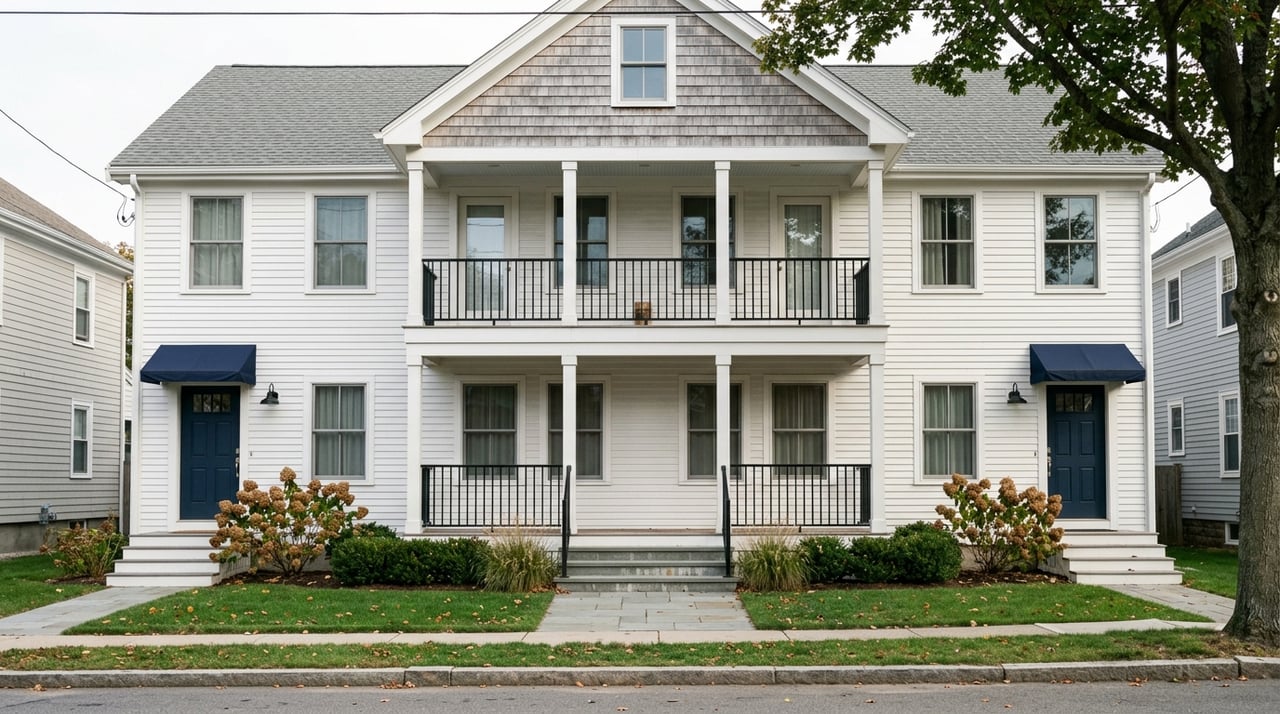
Looking at a two-family or small multifamily in Black Rock or Bridgeport? You are not alone. In a market with tight vacancy, a large supply of multi-unit housing, and a mix of owner-occupied and rental properties, these homes can offer flexibility, income potential, and a foothold in a neighborhood with real staying power. If you are thinking about buying one, the key is knowing how to evaluate the building, the numbers, and the local rules before you make an offer. Let’s dive in.
Why Black Rock draws multifamily buyers
Black Rock sits within Bridgeport’s southwest side near the Fairfield line, so when you buy here, you are really buying into a Bridgeport submarket with its own neighborhood identity. City planning materials describe Black Rock as largely residential, with substantial two-family and multifamily zoning and a commercial corridor along Fairfield Avenue.
That mix matters because it gives buyers different ways to use a property. You may be looking for an owner-occupied two-family, a building with rental income, or a long-term hold in an established coastal neighborhood setting.
Bridgeport also has one of the largest housing supplies in Connecticut, with more than 59,000 housing units. MetroCOG’s ACS 2024 summary shows that 71.8% of housing is in multi-unit buildings, and the vacancy rate is 2.1%, which helps explain why small multifamily homes can appeal to both owner-occupants and renters.
What makes multifamily buying different
Buying a multifamily is not the same as buying a single-family home. You are evaluating a home, but you are also reviewing an income-producing property with more systems, more paperwork, and more operating costs.
In Black Rock and Bridgeport, that is especially important because much of the housing stock is older. Older buildings can offer charm, location, and layout flexibility, but they often come with more maintenance items and higher utility demands.
MetroCOG notes that older housing in Bridgeport likely contributes to higher utility costs because many homes were not built to modern energy-saving standards. That means your monthly budget should reflect actual ownership costs, not just projected rent.
Check the building carefully
With an older two-family or three-family, due diligence should go well beyond cosmetic updates. A clean kitchen or fresh paint does not tell you much about the systems that will affect your costs after closing.
Focus on the major components first:
- Roof and gutters
- Foundation and masonry
- Porches and exterior stairs
- Windows
- Heating and hot water systems
- Plumbing and electrical
- Basement moisture or drainage issues
- Utility setup and separate metering
If utilities are not separately metered, your operating costs may look very different from what you expected. Owner-paid heat or hot water can have a major impact on monthly cash flow.
Understand lead paint rules
If the property was built before 1978, there is a greater chance it may contain lead-based paint. Federal law requires sellers and landlords to disclose known lead hazards before the sale or lease of most pre-1978 housing.
For you as a buyer, that means you should review disclosures carefully and ask questions early. In an older Black Rock or Bridgeport building, lead-related concerns should be part of your standard due diligence, especially if you are planning repairs or future turnover work.
Watch for historic district issues
Some Black Rock properties are located in local historic districts. In those areas, the Historic District Commission reviews exterior work that is visible from the street.
That does not mean you should avoid these homes. It does mean you should understand that certain exterior changes may require review, which can affect project timing, material choices, and renovation plans.
Before you buy, ask a simple question: is the property in a historic district, and if so, what exterior work may need approval? That answer can shape both your budget and your long-term plans.
Know Bridgeport occupancy rules
This is one of the most important local details for small multifamily buyers. In Bridgeport, a Certificate of Apartment Occupancy is required before someone moves into a vacant unit in buildings with three or more apartments.
There are exceptions. The city states that this rule does not apply to one- and two-apartment buildings, or to three-apartment buildings where the owner lives in one unit.
If you are buying a three-family or larger property, confirm the occupancy status of each unit and ask questions before closing. The city’s Housing & Commercial Code Enforcement office is the right place for apartment occupancy and code questions.
Review leases like they matter
If the building has tenants, the leases are a major part of what you are buying. A rent number alone does not give you the full picture.
You should review:
- Current lease terms
- Security deposits
- Tenant payment history
- Utility responsibilities
- Maintenance responsibilities
- Move-in and renewal timing
This is where details can make a big difference. Two properties with the same gross rent may perform very differently depending on who pays heat, how strong payment history is, and whether leases are aligned with your plans.
Connecticut’s Judicial Branch provides landlord-tenant and security deposit resources. For any occupied multifamily, a Connecticut real estate attorney should review the lease package and any transition issues before closing.
Start financing conversations early
Financing can look very different depending on how you plan to use the property. If you will live in one unit, your loan path may differ from a purchase that is strictly for investment.
Fannie Mae defines an investment property as one owned but not occupied by the borrower. The CFPB also notes that your down payment can affect loan type, interest rate, and loan costs.
That is why it helps to clarify your occupancy plan from the start. If you are considering house hacking, owner-occupancy, or a pure rental purchase, talk through those scenarios early so you understand how each one may affect your financing options.
Underwrite taxes and operating costs honestly
A multifamily purchase lives or dies on the numbers. In Bridgeport, property taxes are a major part of that equation.
The city states that real estate taxes are based on assessed value multiplied by the mill rate. For FY 2026-2027, the real estate and personal property mill rate is 27.95 mills, with tax bills due in two installments on July 1 and January 1.
That tax bill should be built into your monthly underwriting from day one. Do not treat it as a side note.
You should also budget for the real costs of owning an older multifamily, including:
- Property taxes
- Insurance
- Maintenance and repairs
- Vacancy reserve
- Turnover costs
- Heat or hot water if owner-paid
- Capital reserve for older systems
A strong pro forma should reflect actual operating costs, not just gross rental income. In an older Bridgeport building, that distinction matters.
Look at neighborhood demand drivers
A multifamily is not just a building. It is also a location decision, and Black Rock has several features that support day-to-day appeal.
The city describes Fairfield Avenue as Black Rock’s main commercial spine and a premier entertainment destination. Streetscape improvements include sidewalks, bump-outs, bus shelters, trash receptacles, decorative medians, and pedestrian signal upgrades, all of which support walkability and usability along the corridor.
Transit access is another factor. The Ash Creek Pedestrian Bridge project is intended to improve access to the Fairfield/Black Rock Train Station and create a multi-use trail and waterfront access. The MTA TrainTime station list includes Fairfield-Black Rock.
You also have Seaside Park nearby, which the city describes as a 325-acre park with three miles of coastline. For many buyers and renters, access to transit, waterfront spaces, and neighborhood businesses can make a meaningful difference in how a property fits their lifestyle.
Questions to answer before offering
Before you make an offer on a multifamily in Black Rock or Bridgeport, slow down and get clear on the basics. These are some of the most important questions to answer:
- Is the property in a historic district?
- Are the units legal and occupied correctly?
- Does the building need a Certificate of Apartment Occupancy for any vacant unit?
- What do the leases say about rent, deposits, utilities, and maintenance?
- Are utilities separately metered?
- Does the projected rent comfortably cover taxes, insurance, utilities, repairs, and vacancy?
- Is the financing approach best for an owner-occupant or a pure investment purchase?
If you can answer those questions with confidence, you are already ahead of many buyers.
Why local guidance matters
Multifamily purchases reward buyers who pay attention to detail. In Black Rock and Bridgeport, that means understanding older housing stock, local occupancy rules, tax impact, and neighborhood-specific factors before you commit.
The right property can offer flexibility, income, and long-term value, but only if the building, the paperwork, and the numbers all make sense together. If you want help evaluating a two-family or small multifamily in this part of Fairfield County, Fowler & Sakey can help you look at the opportunity through both a neighborhood and investment lens.
FAQs
What should you inspect when buying a multifamily in Black Rock or Bridgeport?
- Focus on the roof, gutters, foundation, masonry, porches, windows, heating and hot water systems, plumbing, electrical, basement moisture, drainage, and whether utilities are separately metered.
Do Bridgeport multifamily properties need an apartment occupancy certificate?
- In Bridgeport, a Certificate of Apartment Occupancy is required before someone moves into a vacant unit in buildings with three or more apartments, with exceptions for one- and two-apartment buildings and some owner-occupied three-apartment buildings.
Why do property taxes matter so much for a Bridgeport multifamily purchase?
- Bridgeport taxes are based on assessed value and the city’s mill rate, so the tax bill can significantly affect your monthly operating costs and overall underwriting.
Are older Black Rock multifamily homes more expensive to maintain?
- They can be, because older housing stock often has higher utility costs and may need more capital repairs, maintenance, and system updates than newer buildings.
What lease details should you review before buying a tenant-occupied multifamily in Bridgeport?
- Review rent amounts, lease terms, security deposits, payment history, utility responsibilities, maintenance responsibilities, and timing for renewals or move-outs.
Can historic district rules affect a multifamily purchase in Black Rock?
- Yes. If a property is in a local historic district, exterior work visible from the street may need Historic District Commission review, which can affect renovation plans and timing.